Manatee Manners: A Little Respect Goes a Long Way
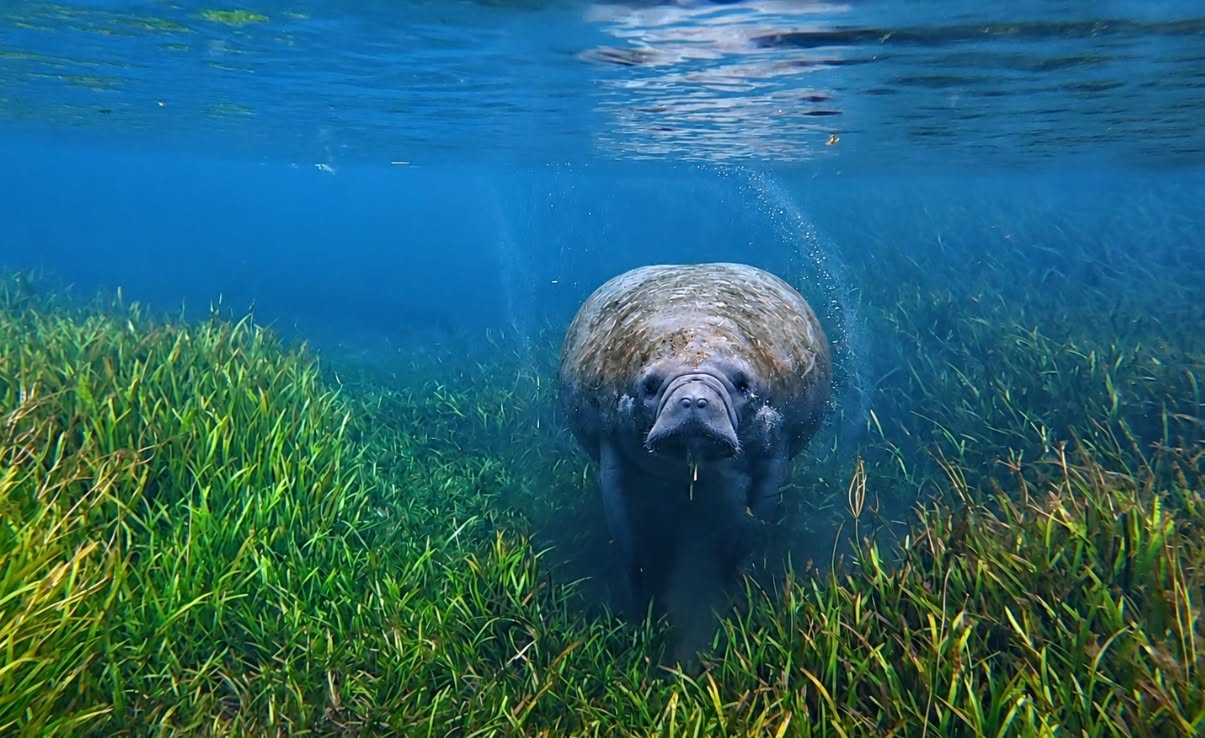
There is something about watching a manatee come up for a breath of air that never gets old to me.
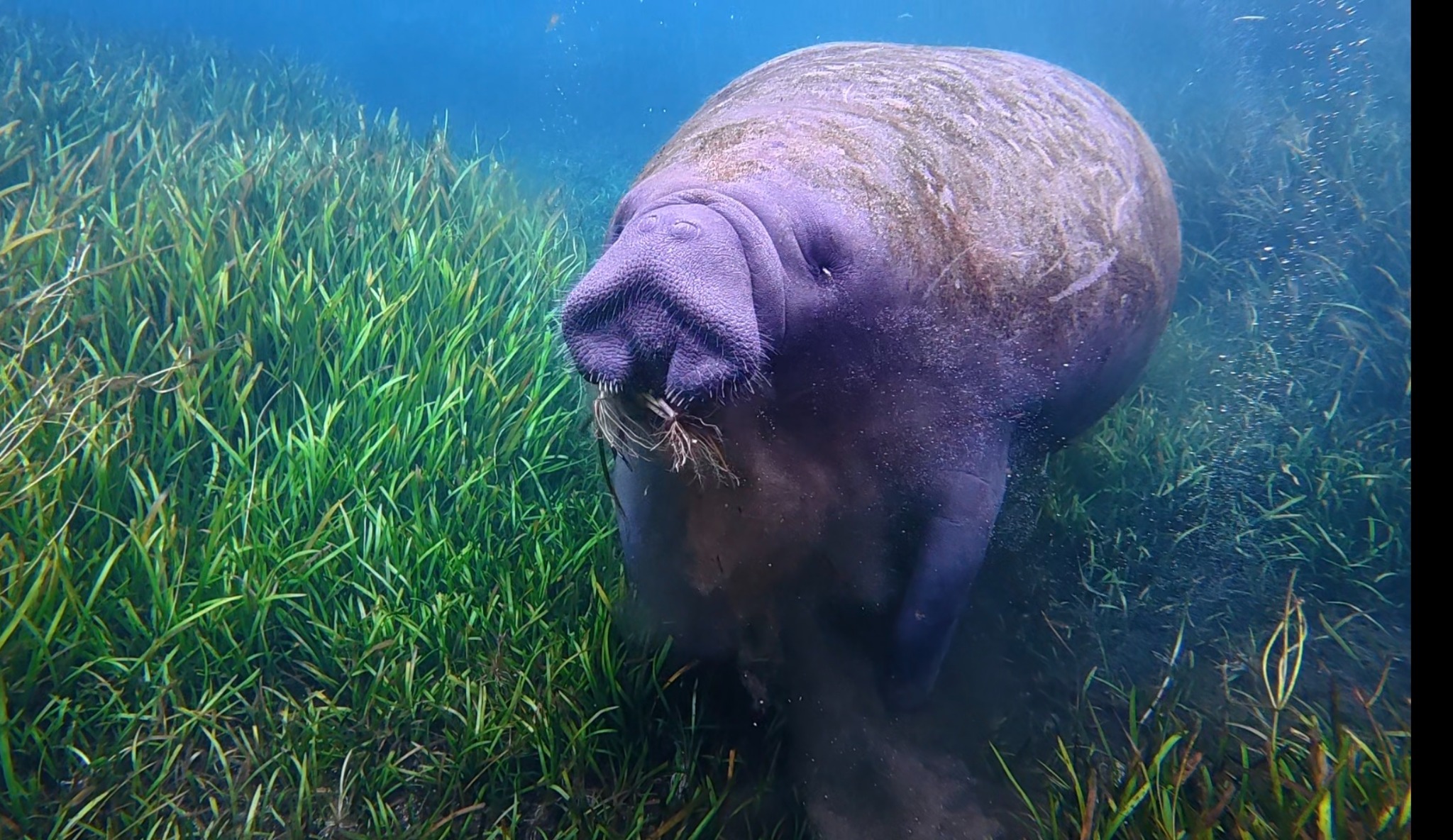
Sometimes you see them coming. A large gray shape slowly moving through the clear water, occasionally stopping to nibble on vegetation along the riverbed. Other times, you might be looking in an entirely different direction when you hear that unmistakable breath behind you.
You turn around, and there is a manatee.
For a few seconds, everything else seems a little less important.
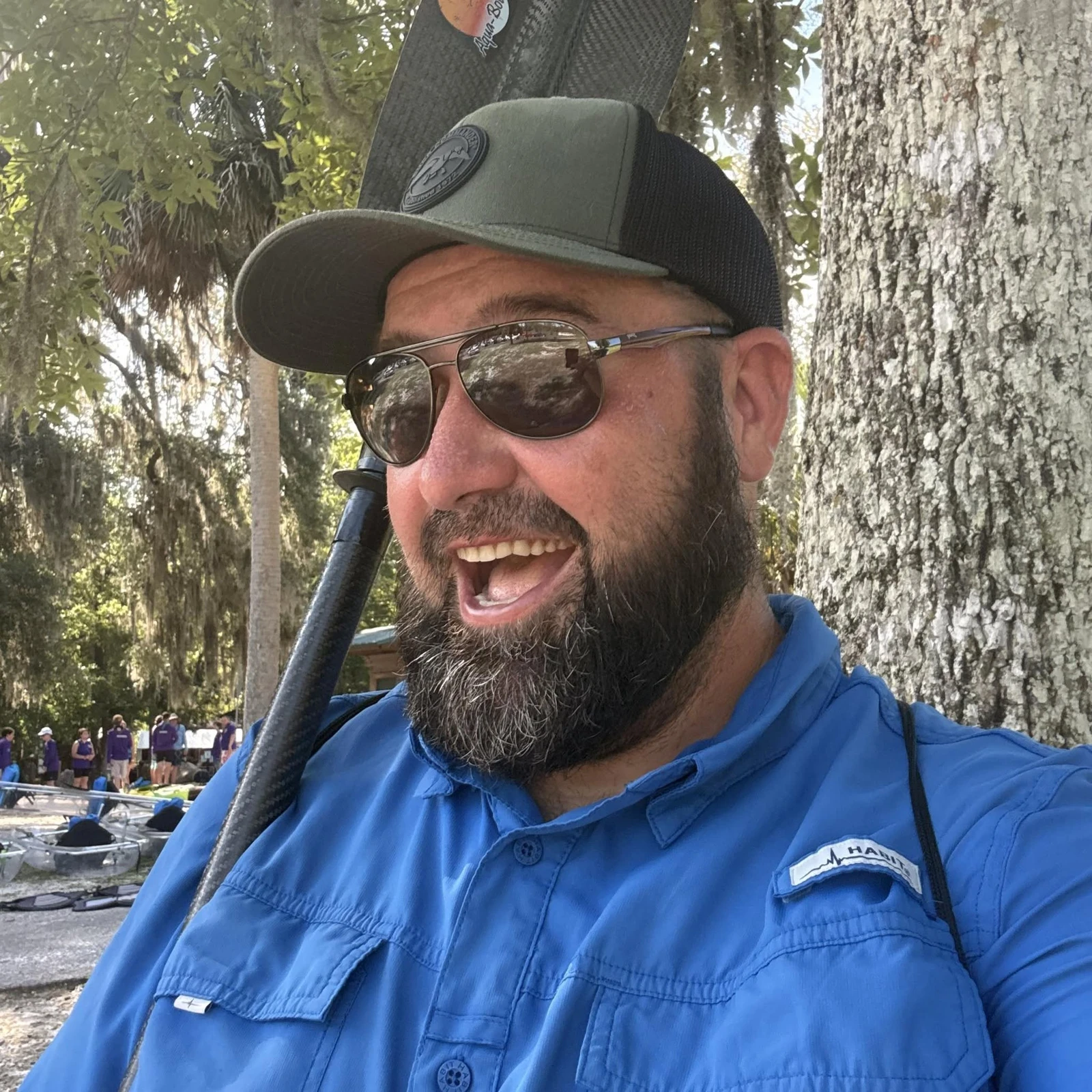
I've spent countless hours on the Silver River as a river guide, wildlife photographer, and someone who genuinely enjoys being out in nature. Over the years, I've had the privilege of observing manatees, learning about their behaviors, and sharing those experiences with others.
And one thing I've learned is that the best wildlife encounters aren't necessarily the closest ones.
With November being Manatee Awareness Month and the winter manatee season approaching, I thought this would be a good time to talk about something that's become increasingly important to me.
Manatee manners.
Now, I know that sounds like something we should be teaching children, and we absolutely should. But I've met plenty of adults who could use a refresher, too.
Winter Is Coming, and the Manatees Know It
November brings some important changes to Florida's waterways.
Unlike many marine mammals, manatees don't have a thick layer of insulating blubber to protect them from cold water. When temperatures fall below approximately 68 degrees Fahrenheit, prolonged exposure can lead to cold stress and even death.
That's why places like Silver Springs are so important.
Our spring water stays around 72 degrees throughout the year, providing a dependable source of warmth when surrounding waterways become colder.
As winter approaches, manatees travel toward these warmer areas to rest and conserve energy.
November 15 also marks the beginning of seasonal protections at certain Florida manatee refuges, many of which remain in effect through March 31. Manatees themselves are protected year-round.
What I hope people understand is that these warm-water habitats aren't simply places where manatees gather for our enjoyment.
For some animals, finding warm water is a matter of survival.
We're Visitors in Their Home
This is something I wish more people would think about before launching a kayak or heading out on the river.
The Silver River isn't a zoo or an aquarium. The animals living here aren't waiting around for us to arrive.
It's their home.
Manatees feed, rest, and raise their young here. Alligators bask along the banks. Turtles warm themselves in the sun, birds hunt along the shoreline, and river otters go about their daily lives.
We're the visitors.
And just as most of us wouldn't appreciate a stranger walking into our living room, interrupting our dinner, or waking us up while we're trying to sleep, wildlife deserves that same consideration, too.
There's nothing wrong with wanting to see these animals. In fact, introducing people to the wildlife of Silver Springs is one of my favorite parts of being a river guide.
But our enjoyment should never come at an animal's expense.
What Manatee Manners Really Mean
Florida manatees are protected under state and federal laws, including the Florida Manatee Sanctuary Act, the Marine Mammal Protection Act, and the Endangered Species Act.
These protections prohibit harassment and other harmful activities. And something I think everyone should understand is that you don't have to physically injure a manatee to disturb it.
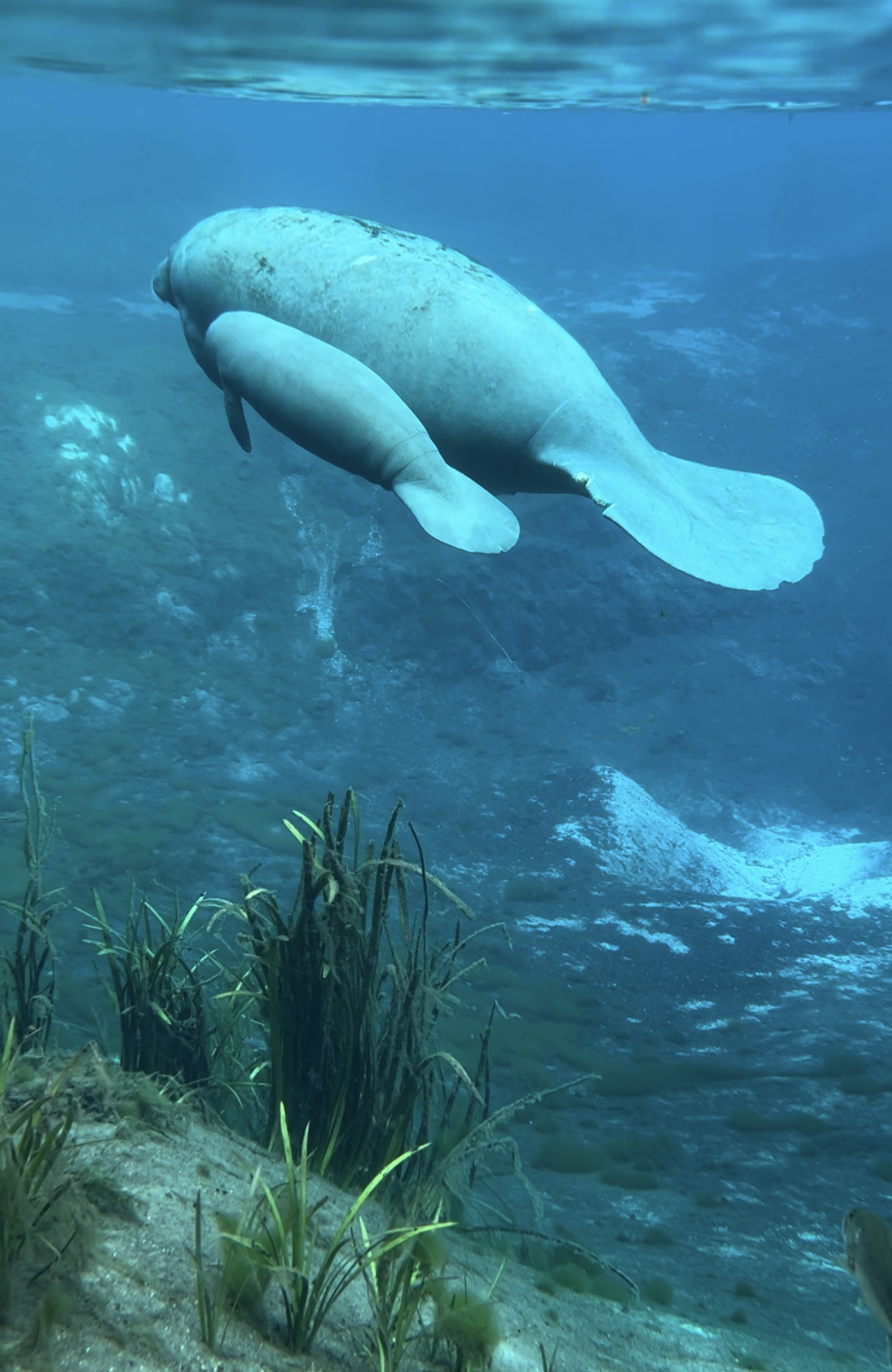
Repeatedly approaching a resting animal, chasing one for a photograph, or separating a mother from her calf can interfere with natural behavior.
The Florida Fish and Wildlife Conservation Commission (FWC) and Save the Manatee Club encourage responsible, passive observation.
Here are a few practices I believe everyone should follow:
- Keep your distance. Aim to stay at least 2 kayak lengths or more away whenever possible, and give animals additional room if needed. This is a recommended viewing practice, not a universal legal distance requirement.
- Paddle around, not over. Never intentionally position a kayak above a resting manatee. These animals must surface to breathe.
- Never touch, chase, or feed manatees. Even when an animal approaches you out of curiosity, keep your hands and equipment to yourself and allow it to move freely.
- Give mothers and calves extra space. Never position yourself between them or interfere with their ability to remain together.
- Respect resting animals. If a manatee is resting, allow it to continue undisturbed. Conserving energy is particularly important during colder weather.
- Follow posted wildlife protection zones. These restrictions exist to protect animals and their habitats.
I also want to make something clear about curious manatees.
Occasionally, one may approach your kayak on its own. I've experienced this, and I understand how exciting it can be.
But curiosity isn't an invitation to touch an animal or encourage it to stay.
Let the encounter happen naturally. Stay calm, avoid blocking its path, and give it space to move away.
A wild animal choosing to pass nearby is a privilege, not something we're entitled to.
It's Not Just About Manatees
Although November puts a well-deserved spotlight on manatees, these same principles should apply to all wildlife.
If a turtle is basking on a log, there's no reason to approach so closely that it feels the need to retreat into the water.
If a heron is hunting along the shoreline, give it room to catch its next meal.
And if you encounter an alligator, enjoy watching it from a safe distance. Never feed or attempt to attract it.
Sometimes people disturb animals without intending to. They simply want a closer look or a better photograph.
But imagine being interrupted every time you sat down to eat or tried to rest.
One disturbance might not seem significant. When it happens repeatedly throughout the day, however, those interruptions can add up.
As someone who spends a great deal of time photographing wildlife, I've learned that patience is often more rewarding than trying to get closer.
Some of my favorite moments on the river have come from simply sitting quietly and watching nature unfold around me.
And I've learned something else along the way.
No photograph or video is worth disturbing an animal to get it.
What I Hope We Leave Behind
When I take guests onto the Silver River, I certainly hope they get to see manatees, alligators, turtles, otters, and some of the beautiful birds that call this place home.
But more than that, I hope they leave with a greater appreciation for the animals themselves.
I hope children learn why we give wildlife space. I hope adults begin noticing things they might have otherwise overlooked. And I hope everyone leaves understanding that being able to observe these animals in their natural environment comes with a responsibility to protect them.
I sometimes wonder what Silver Springs will look like fifty years from now.
Will future generations still be able to watch manatees moving through these waters, see turtles resting along the river, and experience the same sense of wonder that keeps bringing me back?
I certainly hope so.
But that future depends, in part, on the choices we make today.
As Manatee Awareness Month continues and winter approaches, I hope we'll all remember something simple.
We don't have to touch wildlife, chase it, feed it, or get as close as possible to appreciate it. Sometimes the greatest respect we can show an animal is simply allowing it to live its life without our interference.
The river has given me more wonderful memories than I could ever count.
The least I can do is return the favor by treating the animals that live here with the respect they deserve.
Until next time, I'll see you on the river.