
The Monkeys That Weren't Supposed to Stay
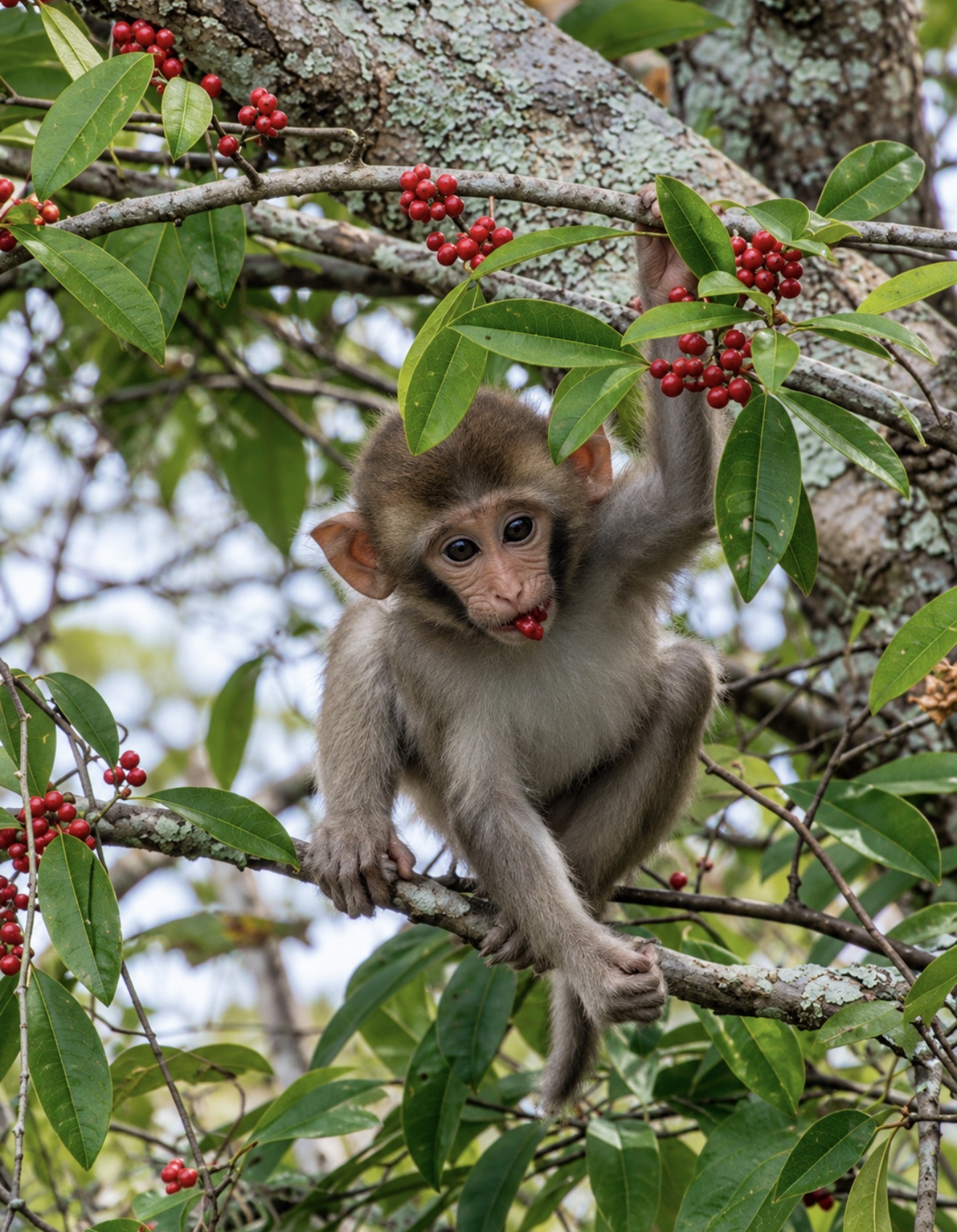
There aren't many places in Florida where you can be paddling down a river, looking for manatees and alligators, and suddenly find yourself staring at a monkey sitting in a tree.
But that's Silver Springs.
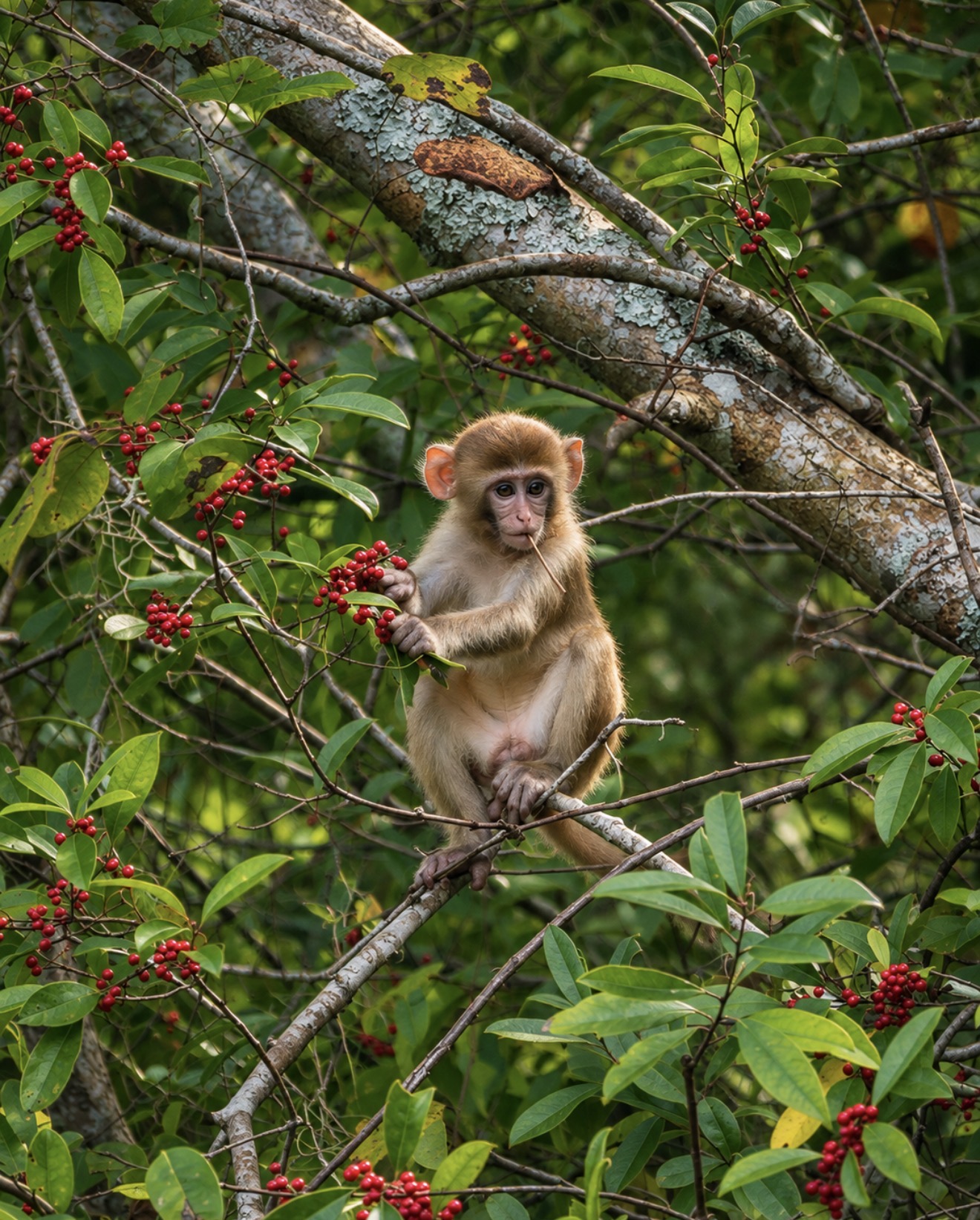
I've always found the monkeys fascinating to watch, especially the younger ones. They're curious, energetic, and sometimes downright comical. Watching them interact with one another can be entertaining, and I'll admit, the little ones are pretty adorable.
But there's another side to their story that I think deserves just as much attention.
These monkeys aren't native to Florida. In fact, they were never supposed to be living freely along the Silver River in the first place.
How Did Monkeys End Up at Silver Springs?
To understand how they got here, we have to go back nearly 90 years.
During the 1930s, Silver Springs was already a popular tourist attraction. A boat operator known as Colonel Tooey reportedly released a small group of rhesus macaques onto an island along the Silver River, hoping they would become another attraction for visitors.
There was just one problem.
Nobody had accounted for the fact that rhesus macaques are excellent swimmers.
It didn't take long for the monkeys to leave the island and make their way into the surrounding forest.
And they didn't leave.
Over the following decades, their population grew. Additional monkeys were introduced, and eventually groups spread beyond Silver Springs into surrounding areas.
What began as an attempt to entertain tourists became a wildlife management issue that continues to this day.
There's also a popular story that the monkeys living along the Silver River were brought here for the filming of the old Tarzan movies.
While several Tarzan films really were filmed at Silver Springs, the monkeys we see today have a different history.
Tarzan's famous animal companion, Cheeta, was a chimpanzee, not a rhesus macaque. According to research from the University of Florida, the macaques were already living around Silver Springs before the 1939 filming of Tarzan Finds a Son!, and none appeared in that movie.
The monkeys weren't left behind by Hollywood. They were introduced as part of an effort to attract more tourists to the river.
Cute Doesn't Always Mean Harmless
Today, the monkeys are one of the more unusual animals visitors might encounter along the Silver River.
They're also considered an invasive species.
That term can sound harsh, especially when you're looking at a young monkey playing in the trees. But being invasive doesn't mean an animal is bad. It means we're dealing with a species introduced outside its native range that can create problems for the environment, other wildlife, or people.
Rhesus macaques are opportunistic feeders. Along with fruits and other plant material, their diet can include insects, bird eggs, and small animals. Their presence raises legitimate questions about how introduced monkeys may affect native species and the surrounding ecosystem.
There's a human safety concern, too.
Some of the macaques in Florida carry herpes B virus, which can cause serious illness in people if transmitted. Although no human infections acquired from Florida's wild macaques have been documented, the potential risk is one reason visitors should never attempt to touch, approach, or feed them.
Photographing a monkey from a respectful distance is one thing. Encouraging it to come closer for a better picture is something else entirely.
Appreciating Wildlife Without Ignoring the Bigger Picture
One of the things I've learned through wildlife photography is that appreciating an animal and understanding its place in nature aren't always the same thing.
I can enjoy watching a young monkey climb through the branches while also recognizing that rhesus macaques don't naturally belong in Florida.
Both things can be true.
And I think that's an important distinction.
These monkeys didn't choose to come here. People brought them here, and generations later, we're still dealing with the consequences of that decision.
It's a reminder of how easily human actions can change an ecosystem, sometimes in ways nobody anticipated.
A Different Kind of River Story
When I photograph the monkeys today, I see more than an unusual animal living in the Florida woods.
I see a piece of Silver Springs history that is still very much alive.
Their story is interesting, occasionally funny, and a little troubling when you consider how it all began.
I don't believe we have to pretend the monkeys aren't beautiful or entertaining to recognize the problems associated with their presence. And we shouldn't overlook those problems simply because we enjoy seeing them.
If anything, their story gives us another reason to think carefully about how we interact with wildlife and the natural places we love.
Nearly 90 years after that first group was released, their descendants are still here.
And every time I see one sitting in the trees along the Silver River, I'm reminded that decisions made decades ago can leave a lasting mark on the natural world.
Sometimes, the most interesting wildlife stories aren't just about the animals themselves.
They're about how the animals got here in the first place.
Photo credit: Brad Mullins
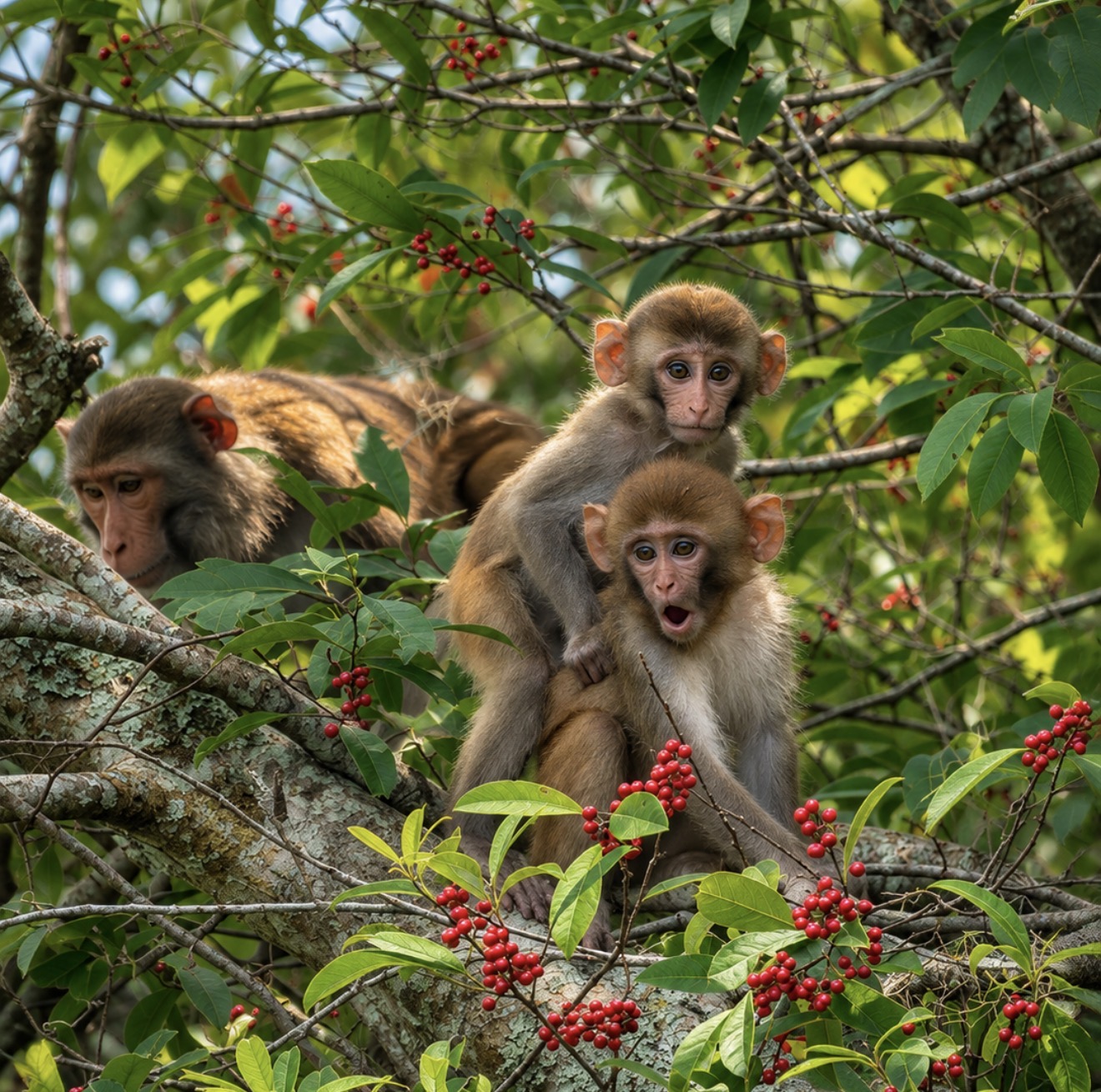
Rhesus macaques along the Silver River. Introduced nearly 90 years ago, their descendants remain part of one of Florida's most unusual wildlife stories.