Manatee Manners: Learning to Share the Water
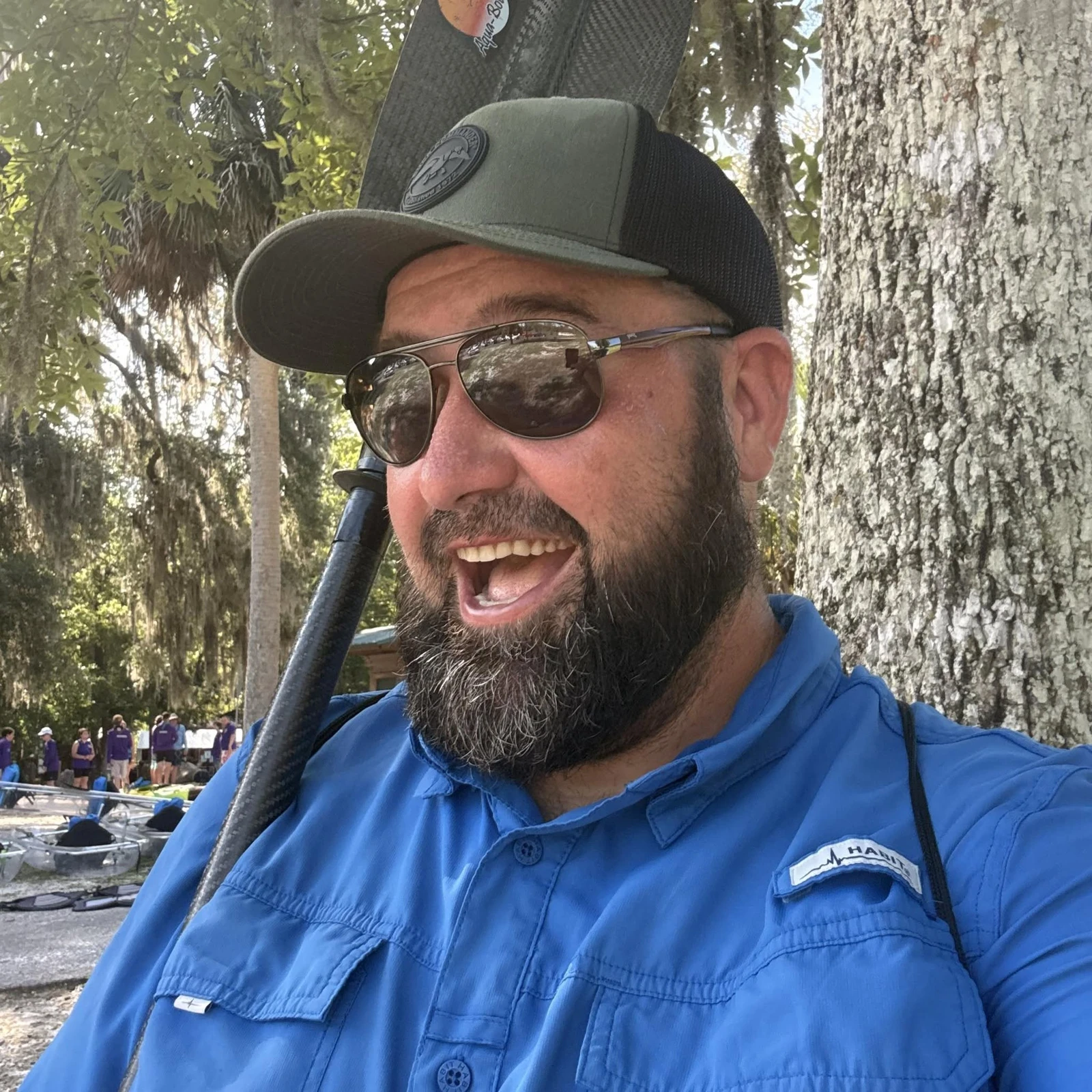
I don't think I'll ever get tired of seeing a manatee on the Silver River. No matter how many times I've watched them, there's still something special about seeing that familiar nose break the surface for a breath of air.
But as much as I enjoy watching them, there's something I wish more people understood.
Just because a manatee allows us to get close doesn't mean we should.
Florida's waterways belong to a lot more than the people who come to enjoy them. For manatees, these aren't vacation spots or places to spend a Saturday afternoon. They're home. They're where they eat, rest, travel, and raise their young.
And when we enter those waters, I believe we have a responsibility to respect that.
Give Them Room to Be Wild
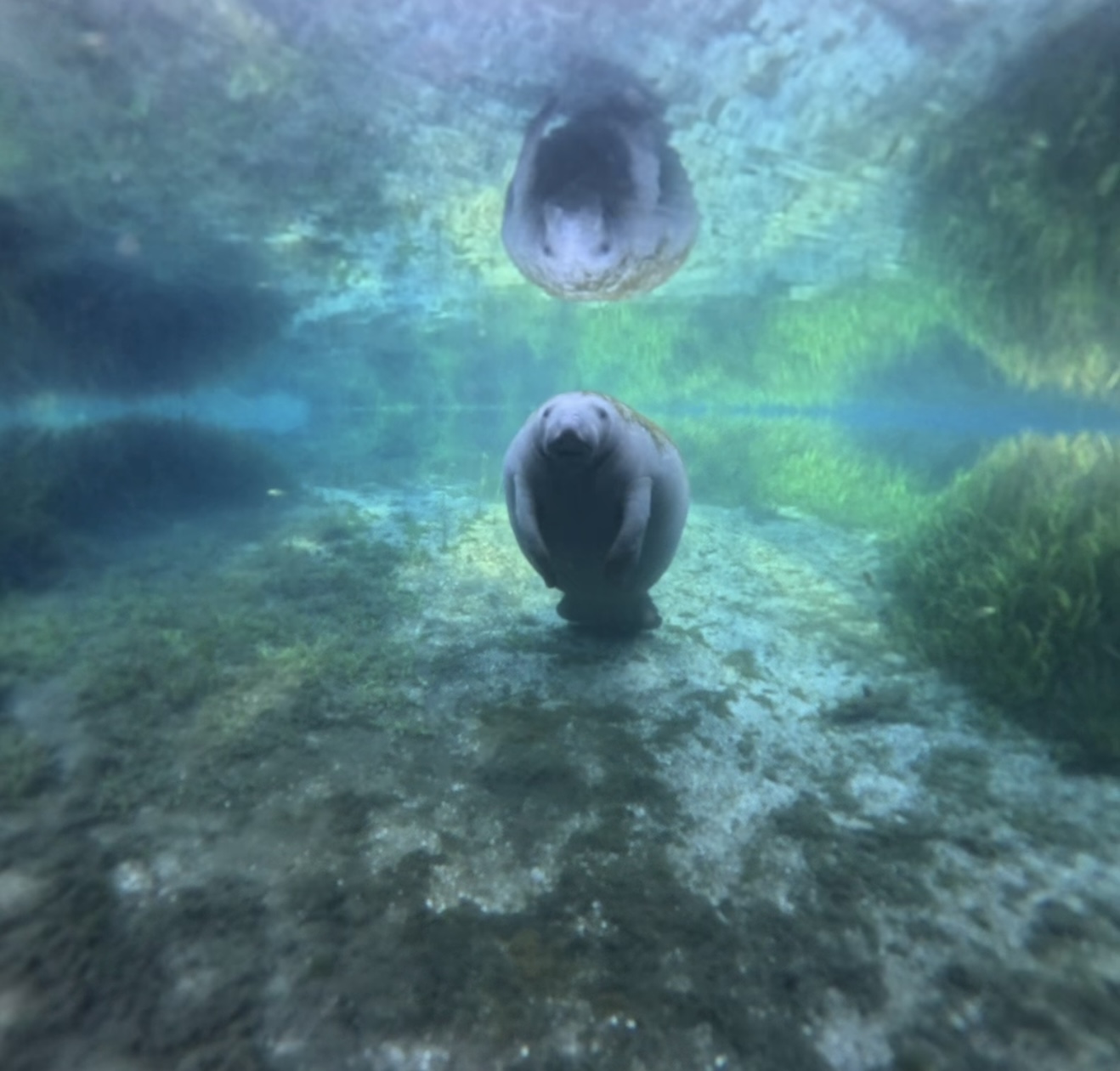
One of the most important things I've learned from spending time around manatees is that you don't have to be close to enjoy watching them.
In fact, some of the best observations happen when you simply sit quietly and let nature carry on around you.
For kayaking and paddleboarding, a good practice is to try to maintain at least two kayak lengths between yourself and a manatee. That's a recommended viewing distance, not a legal boundary. The real measure is the animal's behavior. If a manatee changes what it's doing because you're there, you're too close.
Never chase a manatee, follow it for a better picture, surround it with other kayaks, or block its path. Be especially careful around mothers and calves. They need room to travel together without people getting between them.
It's also important to pay attention to what's happening beneath your kayak. Manatees sometimes rest underwater and must surface to breathe. Paddling directly over one can startle it and potentially put both the animal and the paddler at risk.
And if a curious manatee approaches you?
Enjoy the moment without reaching for it. Keep your hands and paddle to yourself, avoid sudden movements, and give it a clear path to move away. When it's safe to do so, create some distance.
You don't need to touch a manatee to appreciate it.
A Little More Attention Behind the Wheel
While paddlers need to be careful, motorized boats present another serious concern.
Manatees can be surprisingly difficult to see, particularly when sunlight reflects off the water. Sometimes the only indication that one is nearby is a swirl beneath the surface or a nose appearing briefly for air.
That's why slowing down and watching the water matters so much.
Follow posted speed zones, avoid shallow vegetation beds, and stay in deeper channels whenever possible. The Florida Fish and Wildlife Conservation Commission recommends remaining at least 50 feet away from manatees when operating a powerboat.
And remember, propellers aren't the only danger. A boat's hull can strike a manatee with enough force to cause severe internal injuries.
Here on the Silver River, motorized vessels must follow the posted idle-speed and no-wake restrictions. This isn't just about protecting wildlife. It's also about the safety of everyone sharing the river.
A few extra minutes getting somewhere is a small price to pay for protecting an animal's life.
Not Every Wildlife Encounter Needs to Be an Interaction
I love wildlife photography, and I understand the excitement of wanting that perfect picture or video.
But no photograph is worth disturbing an animal.
Whenever possible, I prefer using a zoom or telephoto lens to capture wildlife from a distance. It allows me to document what I'm seeing without needing to move closer.
The same principle applies to swimming, snorkeling, diving, and other water activities wherever those activities are permitted.
Never pursue, grab, ride, feed, or give water to a manatee. These actions can change its natural behavior and make it more vulnerable to future harm. Manatees are protected under both Florida and federal law.
And please remember that different waterways have different rules. Swimming and fishing are prohibited along the Silver River, and Florida State Parks do not allow swimming with manatees.
There's a difference between an animal approaching you on its own and someone deliberately trying to create that interaction.
Let wildlife make its own decisions.
Protecting More Than Just the Manatees
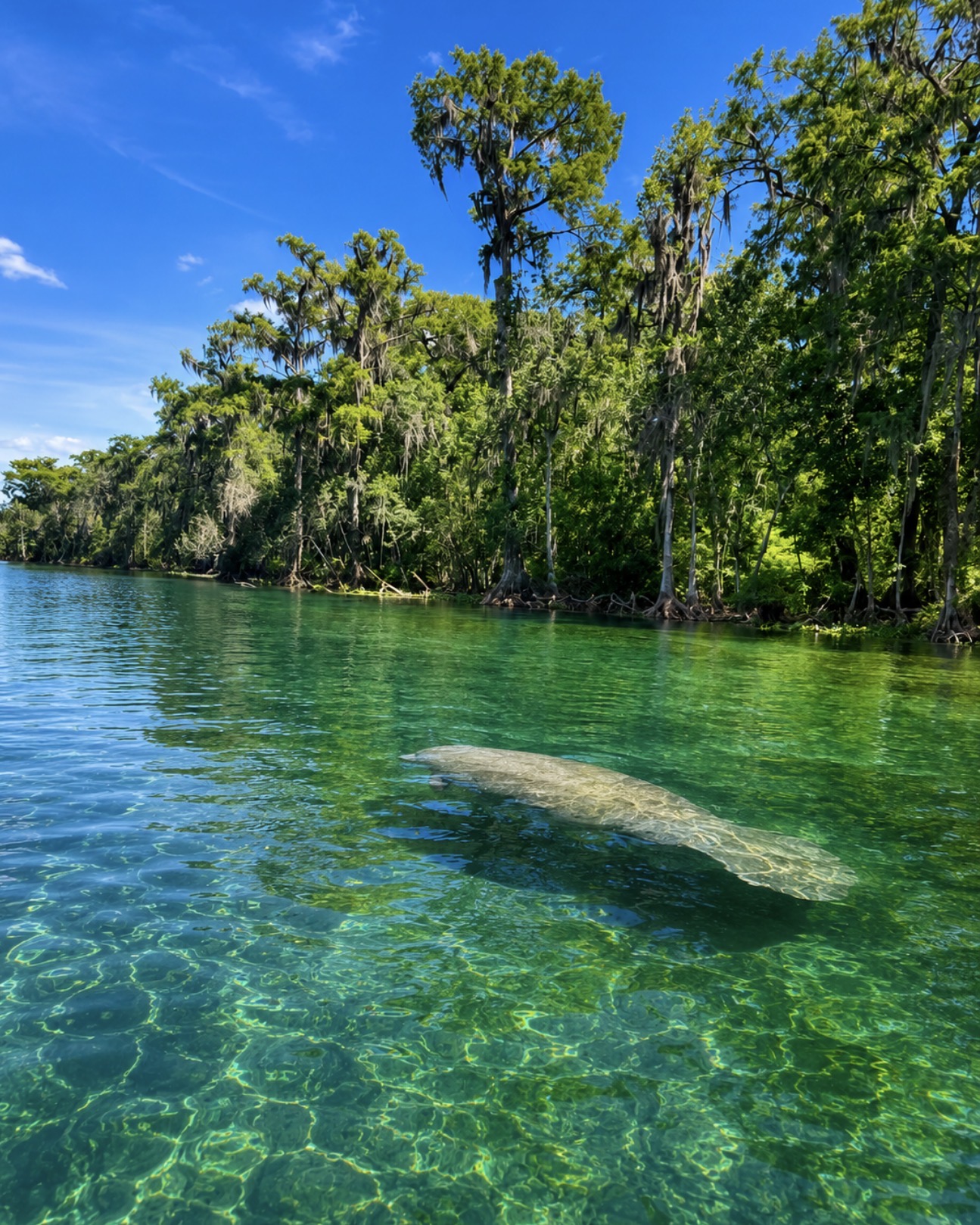
Manatee conservation isn't only about what happens when we encounter one.
It's also about the condition of the waters they depend on.
Manatees rely on healthy aquatic vegetation for food. Across Florida, habitat degradation and the loss of important feeding areas have created serious challenges for these animals.
Every piece of fishing line left behind, every bit of plastic that finds its way into the water, and every damaged area of aquatic vegetation adds to the problems wildlife already faces.
You don't have to be a scientist or work in conservation to make a difference.
Pick up trash when you can. Properly dispose of fishing line. Be careful where you anchor or operate a boat. Support efforts to improve water quality and restore native aquatic vegetation.
During colder weather, give manatees extra room around warm-water refuges. Those areas are important to their survival, and disturbing them can have consequences far beyond a ruined afternoon of rest.
And if you ever see a manatee that appears sick, injured, entangled, or in distress, report it to FWC at 888-404-3922. Let trained wildlife responders determine what help it needs.
Sometimes a phone call can make all the difference.
Remember Whose Home We're Visiting
I want people to come to Silver Springs. I want them to experience the beauty of this river, photograph its wildlife, and leave with memories they'll talk about for years.
But I also want the manatees, turtles, birds, and everything else that lives here to be able to carry on with their lives without us constantly getting in the way.
We can enjoy these waters without treating every animal like an attraction that owes us an experience.
To me, that's what manatee manners really comes down to.
Pay attention. Give them room. Respect their home.
The best wildlife encounter isn't always the one where you get the closest. It is the one where the animal never had to change a thing because you were there.