Wildlife and responsibility
The Alligator Didn't Ask to Go Viral
A wild animal became the center of a viral moment at Silver Springs. The larger question is what we choose to do when attention becomes more important than respect.
Due to recent events at Silver Springs, a video of someone reaching from a vessel and touching a wild alligator has traveled far beyond the river. It has been watched, shared, argued over and turned into content for people who may never set foot in the park.
I understand why people are upset. I am too. I have spent thousands of hours on the Silver River as a guide, volunteer and wildlife photographer. I care deeply about this place and the animals that call it home. Watching someone cross a boundary with wildlife can make those of us who love the river feel protective very quickly.
But after the anger settles, I keep coming back to one thought.
The alligator did not ask for any of this.
It did not ask to become a character in someone else's video. It did not ask for millions of strangers to debate whether it was calm, friendly, dangerous or aggressive. It did not choose the camera angle, the caption or the story people would tell afterward.
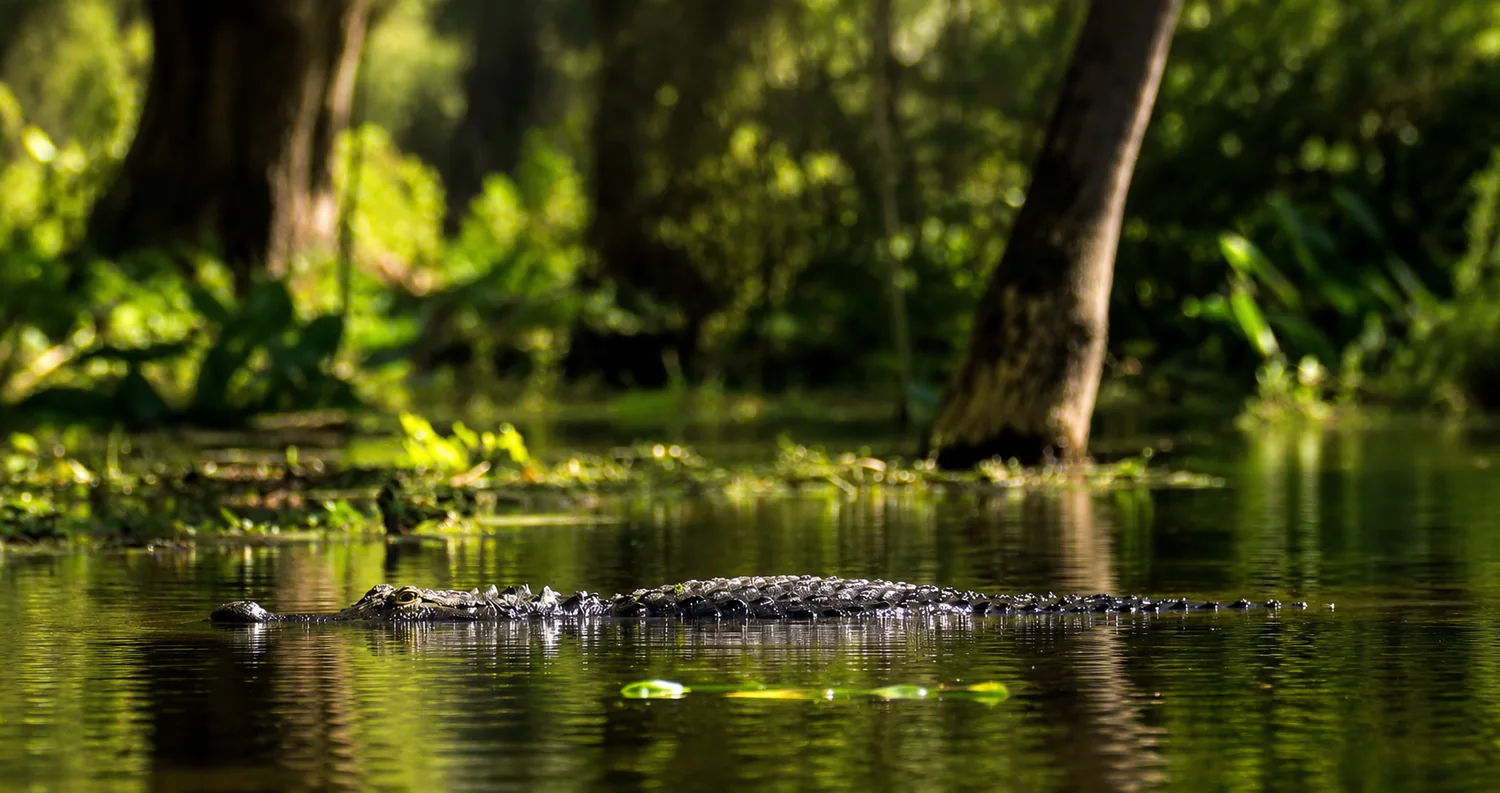
It was simply an alligator being an alligator in the place where it lives.
Calm is not the same as permission.
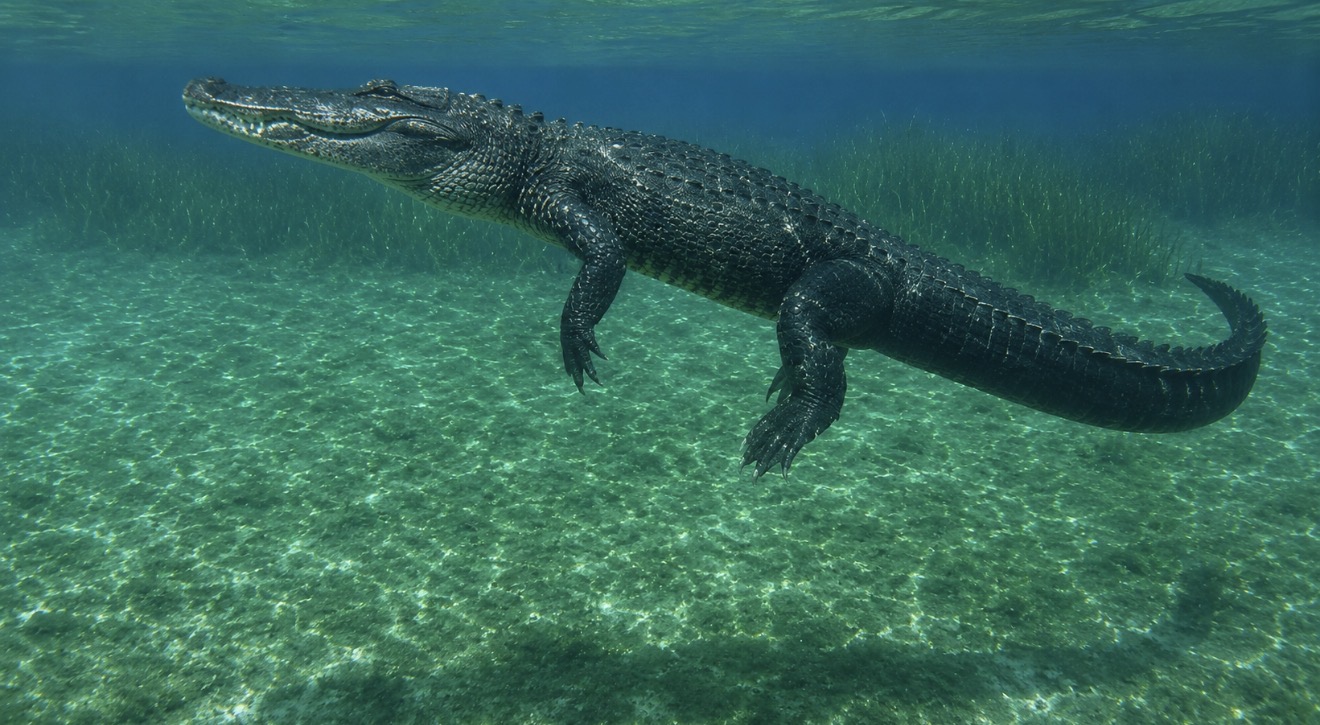
One of the easiest mistakes people make around wildlife is confusing tolerance with trust. An animal may remain still because it is resting, conserving energy, watching, waiting or deciding whether something is a threat. Its lack of an immediate reaction does not mean it is inviting us closer.
Wild animals do not owe us a warning that we understand. They do not have to hiss, charge, splash or flee before their space deserves to be respected.
The longer people spend around an animal, the easier it can become to forget that the animal is still wild. Familiarity can quietly turn respect into carelessness. Someone gets close once and nothing happens. The next person gets closer. Then someone reaches out a hand because the camera is already recording and the moment feels too good to miss.
The absence of a reaction is not consent. A wild animal should never have to prove that it is wild before we decide to give it space.
A viral moment does not end when the video stops.
What concerns me most is not only what happened in those few seconds. It is what can happen afterward.
When risky wildlife encounters receive attention, other people may come hoping to recreate them. The animal becomes a destination. Getting close becomes part of the story. Respectful distance can start to look boring compared with the video everyone has already seen.
That is how one careless moment can become a pattern.
The Silver River already receives visitors from around the world, and I want people to experience it. I want them to see its clear water, wildlife, springs and history. I want them to leave loving the river more than they did when they arrived.
But loving a place cannot mean taking whatever experience we want from it.
The photograph is never more important than the animal.
As a wildlife photographer, I understand the pull of a powerful image. I know the excitement of seeing an alligator in clear water or watching one surface unexpectedly near the kayak. Some of my favorite photographs began with moments I could not have planned.
Patience is part of the work. So is knowing when not to take the shot.
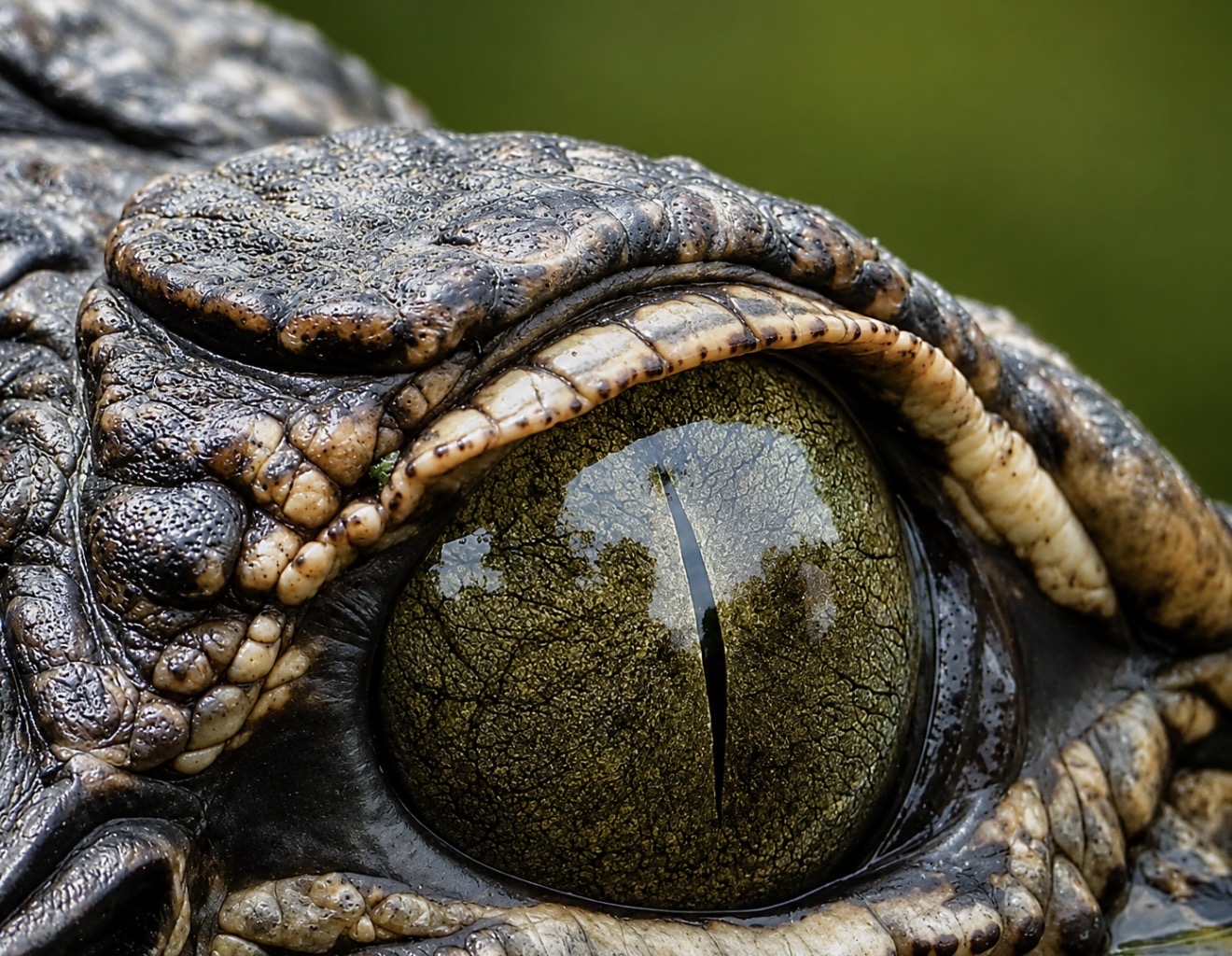
If getting the photograph requires me to chase an animal, block its path, crowd it, touch it or change what it is doing, then the photograph has already cost too much. The best wildlife images are not proof of how close I managed to get. They are a record of an animal behaving naturally because I gave it enough room to do so.
Sometimes respect means lowering the camera. Sometimes it means letting the animal pass behind the grass. Sometimes it means going home without the photograph you hoped for.
That is not a missed opportunity. It is the right choice.
We can hold people accountable without losing the message.
I am not writing this to send more anger toward one person. There has already been plenty of that. I am writing because the attention surrounding this event gives all of us an opportunity to decide what kind of wildlife culture we want to create.
We can choose not to touch. We can choose not to feed. We can avoid chasing, crowding, blocking or paddling over wildlife. We can give an animal a clear path and allow the moment to unfold without inserting ourselves into it.
We can also think before we share. Are we rewarding respectful observation, or are we helping turn dangerous behavior into entertainment? Are we teaching people to appreciate wildlife, or teaching them that the only encounter worth watching is the closest one?
Every post tells people what we value.
The river does not need more people proving how close they got.
It needs more people willing to show how much space they gave.
I still believe people protect what they love. That is why I share this river, photograph it and guide people through it. My hope is that the recent attention becomes something better than another viral cycle. I hope it becomes a reminder that wonder and restraint can exist together.
Look a little closer. Care a little deeper. Leave the wild better than you found it.
Share this story
If this note from the river stayed with you, pass it along.
Protect what you love
Experience the river without changing the moment.
Explore Silver Springs with a guide who believes the best wildlife encounters happen when the animals are given room to remain wild.