Learning notes, access options, and sources
These activities use observation, explanation, creative writing, and comparison. Children can work independently or with help. Read prompts aloud, accept dictation, and use paper when a screen is inconvenient. No question requires a typed response to continue.
| Activity | Look for | Ask |
|---|
| Wildlife Detective | Three visible details; an identification supported by a clue; willingness to revise. | “Which detail helped most? What would you need to know next?” |
| River Adventure | A sequenced story and a choice explained with a reason. | “What might happen because of that choice?” |
| Three-Day Journal | Records from the same safe spot and a comparison grounded in those entries. | “Which entry supports your idea? What is still uncertain?” |
Use at home or in class
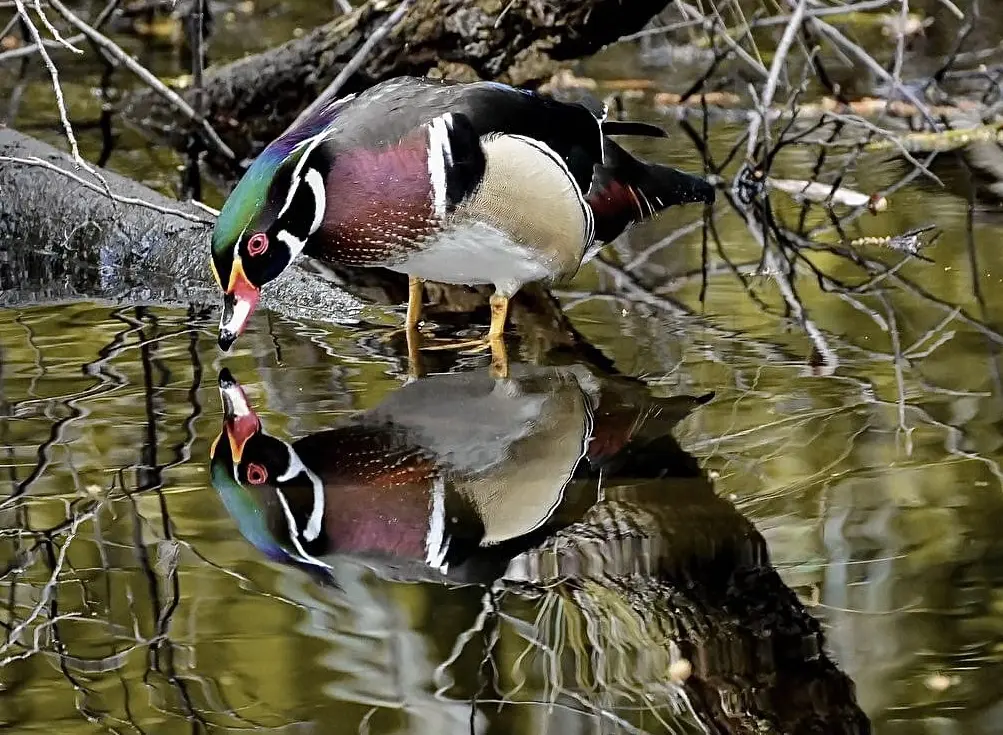
Materials: optional paper and drawing tools. No trip, individual device, printing, or purchased equipment is required. For a class, pair children as observer and recorder, then swap roles. Share the wildlife photograph on one screen or print the activity. Keep the whole image visible.
For emerging writers, accept labels or a dictated sentence. For a challenge, request a second possible identification, a different story ending, or a question for another observation day. Assess the reasoning, not spelling, speed, or artistic skill.
Print and privacy
Open an activity and select “Print this activity” for a worksheet with its prompts and drawing spaces. Empty fields make blank printables; filled fields and drawings can be printed as a record. Browser print settings vary, so use Fit to page if needed.
All three activities stay open in memory while you switch cards. Reloading or leaving clears work unless you explicitly save the journal. Only the journal’s daily pages, comparison notes, and favorite entry are saved in local browser storage when requested. A shared-device user can remove that saved copy. Nothing is submitted to Explore Silver Springs.
Wildlife sources and artwork
The investigation uses Brad’s original wood duck photograph. Its identifying features were checked against Cornell Lab: Wood Duck Identification. Wildlife-space guidance follows FWC wildlife-viewing ethics. Reviewed October 26, 2026.
The three cards use the approved Young Explorers mascot scenes. They are story illustrations, not evidence of real animal behavior. The route sketch in the card is decorative, not a navigation map. No stock photos or coloring-sheet artwork is used.
Times are estimates. Activities have not yet been classroom-tested. Follow local rules and observe from a safe distance without feeding, touching, chasing, or attracting wildlife.